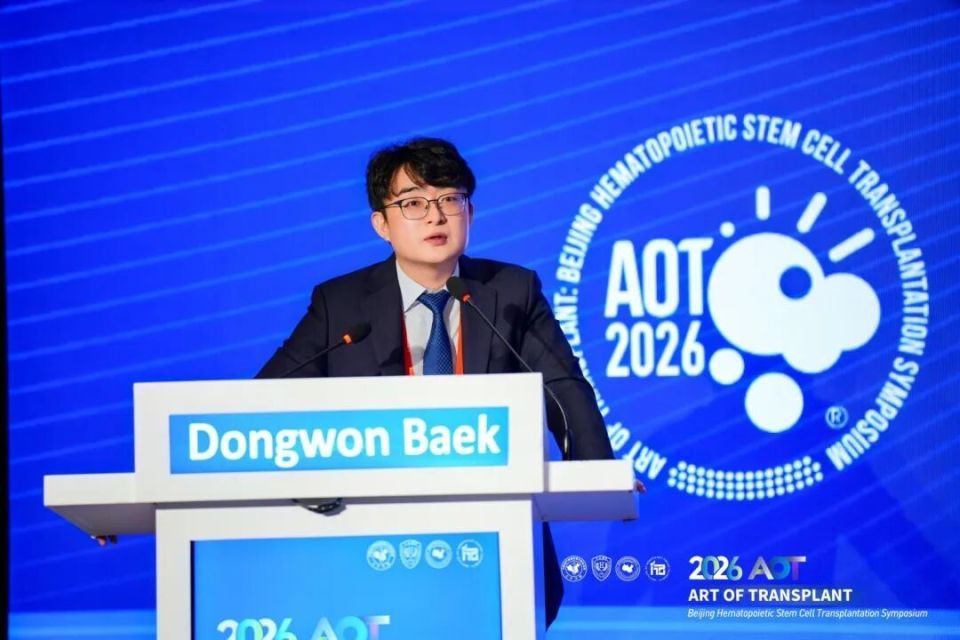
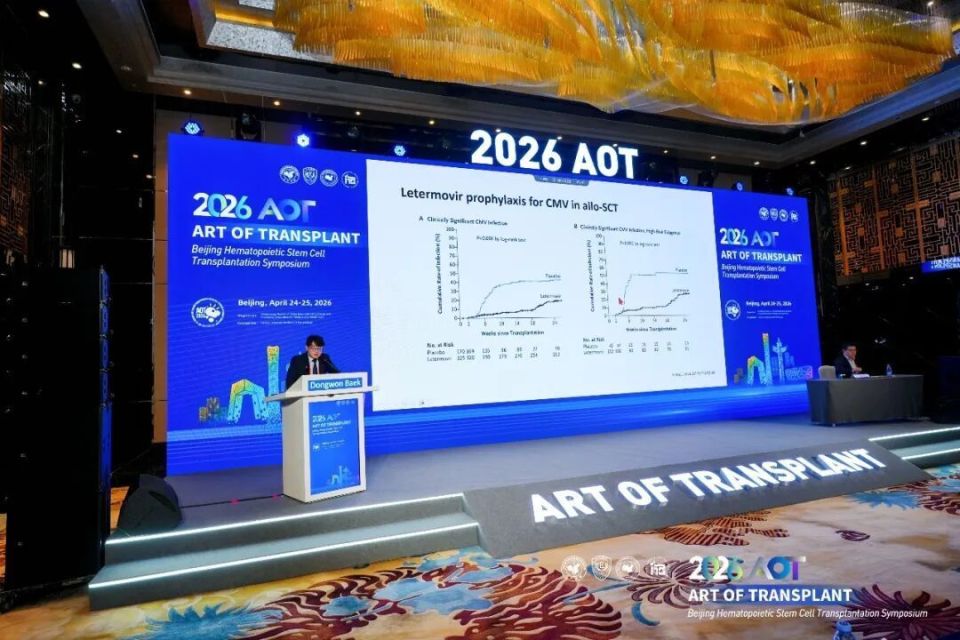
为全面提升人民健康水平,完善重大疾病防治策略,医学创新与国际协作已成为驱动临床进步的关键力量。在此背景下,2026年4月24日至25日,由中国医疗保健国际交流促进会血液学分会主办,血液系统疾病国家临床医学研究中心、北京大学血液病研究所承办的“2026北京国际造血干细胞移植学术会议(AOT)”于北京隆重召开。本届大会以“移植的艺术”为核心主题,汇聚全球血液学领域的顶尖学者,深入探讨造血干细胞移植领域的前沿技术创新与发展趋势。会议期间,《肿瘤瞭望-血液时讯》特邀韩国庆北国立大学医院Baek Dong-won教授接受采访,围绕移植后感染的预防中的关键临床问题,分享其学术观点与实践经验,以期为临床诊疗提供有益参考。
Baek Dong-won教授,您在造血干细胞移植临床与感染防控领域深耕多年,结合您的研究经验,移植后感染的核心风险点主要有哪些?不同移植类型的感染防控,您有哪些针对性建议?
Baek Dong-won教授:在临床实践中,移植相关风险评估通常依据造血干细胞移植合并症指数(HCT-CI)及患者年龄进行综合评估。对于高龄患者,其风险因素始终是风险评估的核心考量。造血干细胞移植主要分为自体移植与异基因干细胞移植两类。在自体移植中,由于使用患者自身的造血干细胞,移植后感染风险相对较低,一般无需过度担忧。然而,在异基因干细胞移植情况下,患者术后会经历一段时期的中性粒细胞缺乏及免疫抑制状态,且部分患者还需接受糖皮质激素等免疫抑制剂治疗,因而处于机会性感染的高风险之中。因此,预防机会性感染至关重要。
Q1、Professor Baek Dong-won, you have been deeply engaged in the field of hematopoietic stem cell transplantation (HSCT) clinical practice and infection prevention and control for many years. Combining your research experience, what are the main core risk factors for post-transplant infection? What targeted suggestions do you have for infection prevention and control in different types of transplantation?
In clinical practice, the assessment of transplantation-related risks is typically based on a comprehensive evaluation of the Hematopoietic Cell Transplantation‑Specific Comorbidity Index (HCT‑CI) and the patient’s age. For elderly patients, risk factors remain a central consideration in risk stratification. Hematopoietic stem cell transplantation is primarily divided into two categories: autologous transplantation and allogeneic stem cell transplantation. In autologous transplantation, since the patient’s own stem cells are used, the risk of post‑transplant infection is relatively low and generally not a major concern. However, in the case of allogeneic stem cell transplantation, patients undergo a period of neutropenia and immunosuppression after the procedure, and some also require immunosuppressive agents such as corticosteroids. Consequently, they are at high risk for opportunistic infections, making prophylaxis against such infections essential.
基于您在移植后并发症防控的深厚积累,全流程感染预防中,最易被临床忽视的关键细节是什么?针对cGVHD长期免疫抑制患者,您推荐哪些核心预防策略?
Baek Dong-won教授:慢性移植物抗宿主病(cGVHD)患者通常因病情需要长期接受糖皮质激素及其他免疫抑制剂治疗,导致免疫功能持续抑制,机会性感染遂成为临床关注的重点。此类患者易发生巨细胞病毒(CMV)再激活或CMV病,同时也面临新型冠状病毒(COVID-19)、流感等病毒感染以及有荚膜包裹的致病菌的风险。因此,临床实践中需采用相应的抗病毒药物与预防性抗菌药物以降低上述感染的发生。此外,由于长期使用糖皮质激素,部分患者可能并发耶氏肺孢子菌肺炎(PCP),故PCP的预防同样具有重要意义。
Q2、Based on your profound accumulation in the prevention and control of post-transplant complications, what are the key details that are most likely to be overlooked in clinical practice in the whole-process infection prevention? What core prevention strategies do you recommend for patients with long-term immunosuppression due to cGVHD?
Patients with chronic graft‑versus‑host disease (cGVHD) often require long‑term treatment with corticosteroids and other immunosuppressants, leading to sustained immune suppression, which makes opportunistic infections a key clinical focus. These patients are susceptible to cytomegalovirus (CMV) reactivation or CMV disease, as well as viral infections such as COVID‑19 and influenza, along with infections caused by encapsulated bacteria. Therefore, appropriate antiviral agents and prophylactic antibacterial drugs are used in clinical practice to reduce the incidence of these infections. Moreover, due to prolonged corticosteroid use, some patients may develop Pneumocystis jirovecii pneumonia (PCP), underscoring the importance of PCP prophylaxis.
结合您的临床研究成果,当前移植后感染预防仍面临哪些临床难点?未来精准预防领域,您认为有哪些重点研究方向值得关注?
Baek Dong-won教授:在接受异基因造血干细胞移植的患者中,约有30%至40%会出现严重的移植物抗宿主病(GVHD)。目前,这类患者通常需依赖糖皮质激素等免疫抑制剂进行控制。因此,临床上的首要目标之一是能够获得一类既可有效治疗GVHD,又不会导致广泛免疫抑制的药物。此类药物的发展将是未来临床治疗的重要方向。
Q3、Combining your clinical research achievements, what clinical difficulties still exist in the current prevention of post-transplant infection? In the field of future precise prevention, what key research directions do you think are worthy of attention?
Among patients undergoing allogeneic hematopoietic stem cell transplantation, approximately 30% to 40% will develop severe graft‑versus‑host disease (GVHD). Currently, these patients usually require control with immunosuppressants such as corticosteroids. Hence, one of the primary goals in clinical management is to develop agents that can effectively treat GVHD without causing broad immunosuppression. The development of such drugs represents an important future direction in clinical therapy.
专家简介
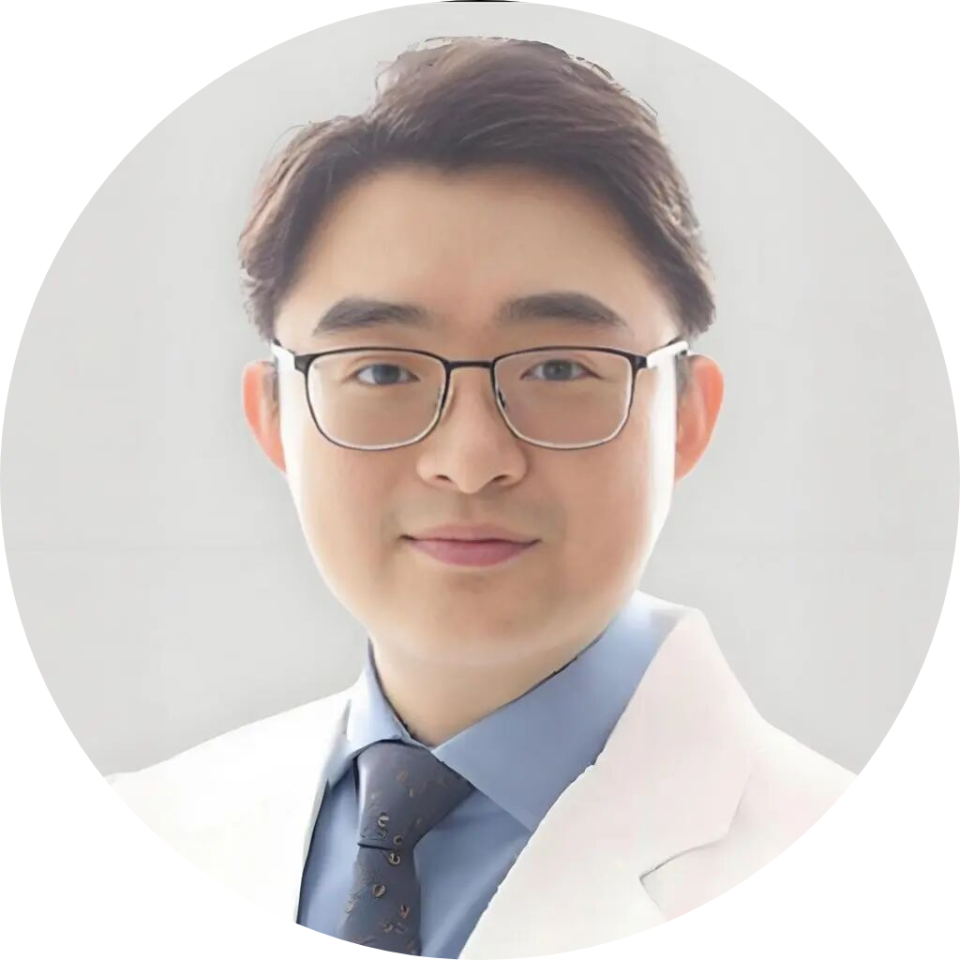
Baek Dong-won教授
韩国庆北国立大学医院
<学历>
2009年 毕业于首尔大学
2013年 毕业于庆北大学医学院(医学硕士)
2019年 毕业于庆北大学医学院研究生院 博士(内科学)
<经历>
2014年 ~ 2018年 庆北大学医院内科 住院医师
2018年 ~ 2019年 庆北大学医院血液肿瘤内科 专科医师
2019年 ~ 至今 庆北大学医院、漆谷庆北大学医院 助理教授
<学会活动>
美国癌症学会 正式会员
美国血液学会 正式会员
欧洲血液学会 正式会员
韩国癌症学会 正式会员
韩国血液学会 正式会员
韩国造血干细胞移植学会 正式会员
韩国内科学会 正式会员
<获奖经历>
2018年 韩国癌症学术基金会 奖学金获得者
2019年 韩国癌症学术基金会 学术奖
2021年 韩国血液学会 优秀论文奖
免责声明:该信息仅作医学和科研参考,赛诺菲不建议以任何与您所在国家所批准的处方信息不符的方式使用本产品,本材料仅供医疗卫生专业人士使用。
审核编码:MAT-CN-2602959